GLP-1 Pens in Cold Weather: Winter Storage, Frozen Deliveries, Cars and Ski Trips
Most GLP-1 storage advice is written for heat: hot cars, beach bags, summer mailboxes. Winter causes a quieter problem. A pen that freezes can look exactly the same afterward, and every FDA label for these products says a frozen pen should not be used. This guide covers where cold weather actually freezes pens, what to do if you think one froze, and simple routines for commutes, deliveries, ski trips and snowstorms. Anything about your dose or schedule is a question for your prescriber.
- ✓Every GLP-1 pen label says do not freeze. A pen that froze should not be used, even after it thaws and looks normal.
- ✓Winter freezes pens in four places: parked cars, porches and mailboxes, the back of the fridge, and direct contact with ice packs.
- ✓Carry pens in an inside pocket or insulated case on cold days. Never leave one in a glovebox or trunk.
- ✓Ask your pharmacy about delivery timing in winter and bring cold-chain packages inside as soon as they arrive.
- ✓A thermometer on the fridge shelf where pens sit catches a fridge that runs below 36°F.
- ✓For snowstorms and outages, plan ahead so you are not choosing between a warm house and a cold pen.
What the Labels Actually Say About Cold
The prescribing information for each product is the rulebook here, and on freezing they are unusually consistent. Unused pens are stored in the refrigerator at 36–46°F (2–8°C). Zepbound's label puts it in two short sentences: do not freeze Zepbound, and do not use Zepbound if frozen. Its pen instructions add that a pen that has been frozen should be thrown away and replaced. Mounjaro's label uses the same language. Ozempic's label goes a step further and says not to store pens in the freezer or directly next to the refrigerator cooling element, and not to use a pen that has been frozen. Wegovy's label likewise says not to freeze it.
The labels also allow a limited time out of the fridge for certain pens, but those allowances describe room temperature, not cold. The range that applies once a pen is out differs by product (Ozempic's in-use allowance, for example, is written as 59–86°F, while Zepbound's single-dose pens are allowed up to a total of 21 days at or below 86°F). None of them covers a pen sitting in a 20°F car. Our storage guide lays out each product's numbers side by side; check the package insert that came with your pens for the current figures.
What the labels do not give you is a freezing point or a home test. You cannot hold a pen up to the light and decide it is fine. That is why the practical rule is simple: if a pen may have dropped below the refrigerated range for any real length of time, treat it as a question for your pharmacist, not a judgment call at the kitchen counter.
The Four Places Winter Freezes a Pen
1. A parked car
A car is a box that follows the outside air. On a 15°F morning, a pen left in the console while you shop or work is sitting in roughly that temperature, with nothing to slow it down. The trunk is usually worse; our car travel guide explains why it has no climate control and often cools faster overnight than the cabin. The fix is not a better spot in the car. It is not leaving the pen in the car at all.
2. A porch, lobby or mailbox
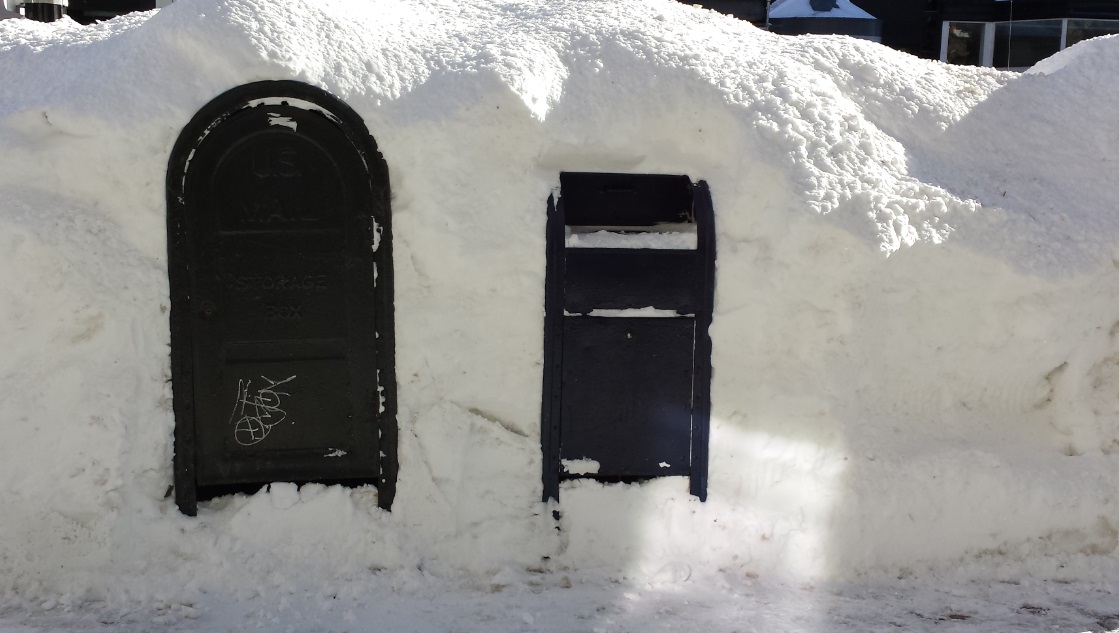
Mail-order and specialty pharmacies ship GLP-1 pens in insulated packaging with cold packs, built to hold refrigerated temperatures for a limited window. That window assumes someone brings the box inside. A package that arrives at 10 a.m. and sits on a snowy step until 7 p.m. may be well outside it. Apartment lobbies and package rooms that aren't heated, and rural mailboxes, carry the same risk. Our mail-order delivery guide has a full checklist for inspecting a cold-chain package when it arrives.
3. The back of the refrigerator
This one has nothing to do with the weather outside, but it shows up more in winter when people reorganize fridges for holiday food. The coldest spots in most refrigerators are along the back wall and near the vent where cold air enters. Small dorm and bar fridges are notorious for freezing whatever touches the cooling plate; our college dorm guide covers that case. Keep pens in their carton on a middle shelf, away from the back wall, and put a fridge thermometer on that shelf so you know what it actually reads.
4. An ice pack pressed against the pen
Frozen gel packs come out of the freezer well below 32°F. In a travel case, a pen lying directly on a frozen pack can freeze even when the room around it is warm. Wrap the pack in a cloth or use the case's divider, and keep the pen in its carton. TSA allows ice packs and gel packs that keep medically necessary items cool through screening, so you can carry them on a winter flight, but the separation rule still applies.
Carrying pens through a cold day? An insulated medical case with a built-in thermometer helps you keep them in range without guessing.
See Travel & Organization Gear →If You Think a Pen Froze
Start with the label's answer, because it is the only answer that holds up: a pen that froze should not be used. Then work through the practical side.
- Don't inject it. Not “just this once,” and not after it thaws. A frozen and thawed pen can look identical to a good one.
- Don't refreeze or reheat it to test it. There is no home check that tells you whether it is still usable.
- Write down what happened. Where it was, for roughly how long, and what the temperature was. For a delivery, keep the box, the cold packs and any temperature indicator that came inside.
- Call your pharmacy. If it was shipped, the pharmacy that shipped it is the first call. Pharmacies handle cold-chain problems regularly and can tell you how replacements work under your plan.
- Ask your prescriber about timing. If the replacement won't arrive before your usual injection day, the question of what to do about a late or missed dose is for your prescriber. Don't improvise from the internet, this site included.
- Dispose of the pen properly once you know you won't use it. Our guide to unused medication disposal covers take-back options; used needles go in a sharps container.
If you aren't sure whether a pen got cold enough to matter, say exactly that to the pharmacist. “It was in my car for about two hours this morning and it was 18 degrees out” is far more useful than “I think it might have gotten cold.”
A Cold-Weather Routine That Works
Commuting and errands
Most people don't need to carry their pen at all on a normal winter day; it can stay in the fridge until injection day. If you do need it with you, say you inject at a partner's house or at work, carry it in an inside coat pocket or an insulated medical case, not in an outer bag that sits on a cold train platform floor or in the trunk. Our guide to storing medication at work covers office fridges, which bring their own back-wall freezing risk.
Pharmacy pickup on a cold day
Bring the same insulated bag you would use in summer. The goal is the same: keep the pen inside its range on the way home. Go straight home rather than running other errands with the pen in the car. Our pharmacy pickup guide walks through the counter checks.
Mail-order deliveries
- Ask the pharmacy what delivery window to expect and whether you can choose a day when someone is home.
- Turn on delivery notifications so you know the moment the box lands.
- If you live somewhere a package regularly sits outside, ask about delivery to a workplace, a neighbor or a pharmacy pickup point instead.
- Open the box promptly and check whether the cold packs are still cold and the contents look the way the pharmacy said they would.
Ski trips and winter vacations
The mountain is the easy part: the pen stays in the lodge or hotel fridge and never goes on the lift. The tricky parts are the drive, which is the parked-car problem again, and the room fridge. Hotel and rental-unit fridges are often small units that can run cold. Put a thermometer in for the first night before trusting it. Our hotel and vacation rental guide covers what to ask before you book. If the trip runs past your usual refill date, see our guide to getting a vacation supply.
Snowstorms and power outages
Winter storms knock out power, and a dark fridge slowly warms. People sometimes respond by putting medication outside in the snow. Don't. Snow and outdoor air can be far below the refrigerated range and swing with the weather, which is exactly how a pen ends up frozen. The CDC recommends keeping a cooler and chemical ice packs on hand for medicines that need refrigeration, along with a written list of your medications, doses, pharmacy and doctor. A cooler with wrapped cold packs and a thermometer gives you control that a snowbank doesn't. Our disaster and evacuation guide and the battery backup comparison cover longer outages.
Winter Questions to Ask Your Pharmacist
- “What should I do if a delivery sits outside in freezing weather before I get to it?”
- “How do I request a replacement if a pen was frozen, and does my plan treat that differently from a lost pen?”
- “Can I schedule winter deliveries for a day I'm home, or pick up in store instead?”
- “Is there anything on my pen's package insert about cold I should know beyond ‘do not freeze’?”
And for your prescriber: “If I lose a pen to freezing and the replacement is late, what should I do about my injection day?” That is a clinical question, and having the answer before it happens saves a stressful phone call later. Our questions for your doctor list has more.
This guide covers storage and logistics only. It is not medical advice. Follow the package insert for your specific product, and talk to your pharmacist or prescriber about any pen that may have been frozen, damaged or stored out of range, and about any change to your dosing schedule.
Frequently Asked Questions
Can I use my GLP-1 pen if it froze?
No. The FDA-approved labels for Ozempic, Wegovy, Mounjaro and Zepbound all say not to freeze the medicine, and the labels or pen instructions say not to use it if it has been frozen. Thawing it does not make it usable again, and the pen can look completely normal. Set it aside, do not inject it, and call your pharmacy or prescriber about a replacement.
At what temperature does a GLP-1 pen freeze?
The labels do not publish a freezing point. What they give is a storage range: unused pens are kept refrigerated at 36–46°F (2–8°C), and some products allow a limited time out of the fridge within a stated range. Anything below 36°F is outside the label, so treat a pen that sat in a car, mailbox or porch below freezing as possibly frozen and ask your pharmacist.
Is it safe to leave a GLP-1 pen in the car in winter?
Not for long. A parked car tracks the outside temperature, and a trunk can drop faster than the cabin overnight. Carry the pen with you in an inside pocket or insulated case rather than leaving it in a glovebox, trunk or console on a cold day.
My mail-order GLP-1 sat on the porch in freezing weather. What should I do?
Bring it inside, do not use it yet, and call the pharmacy that shipped it. Tell them how long it sat out and what the outside temperature was. They can tell you whether the shipment is still within its cold-chain limits and how to request a replacement. Our mail-order delivery guide has a full arrival checklist.
How do I keep a GLP-1 pen from freezing on a ski trip?
Keep it inside the lodge or hotel fridge, not on the slopes, and check that the fridge is not set so cold that it freezes. If you must carry it outdoors, use an insulated medical case close to your body and keep any cold pack from touching the pen. Most people never need the pen on the mountain itself.
Can my refrigerator freeze my GLP-1 pen?
Yes. Ozempic’s label specifically warns against storing pens in the freezer or directly next to the refrigerator cooling element. Back walls, top shelves near the vent and small dorm or bar fridges are the usual culprits. A fridge thermometer on the shelf where the pens live is the easiest way to know.
Sources
- DailyMed — Zepbound (tirzepatide) prescribing information, section 16.2 Storage and Handling
- DailyMed — Mounjaro (tirzepatide) prescribing information
- DailyMed — Ozempic (semaglutide) prescribing information
- DailyMed — Wegovy (semaglutide) prescribing information
- CDC — Prepare Your Health: Prescriptions (cooler and ice packs for refrigerated medicines)
- CDC — Preparing for a Winter Storm
- TSA — Disabilities and Medical Conditions (ice packs for medically necessary items)