Thanksgiving and Holiday Meals on a GLP-1: A Practical Guide for Ozempic, Wegovy, Mounjaro and Zepbound Users
Thanksgiving, Hanukkah, Christmas, New Year’s and the office party in between: for a lot of people, the stretch from late November to January is the most food-centered part of the year. On a GLP-1 medication, that can feel strange. Portions you used to finish may now be too much, rich dishes can sit heavily, and relatives may have opinions. This guide covers the practical side of getting through holiday meals on Ozempic, Wegovy, Mounjaro, Zepbound and similar medications, using what the FDA labels and the manufacturers actually say. It is not medical, dietary or dosing advice; your prescriber is the right person for those questions.
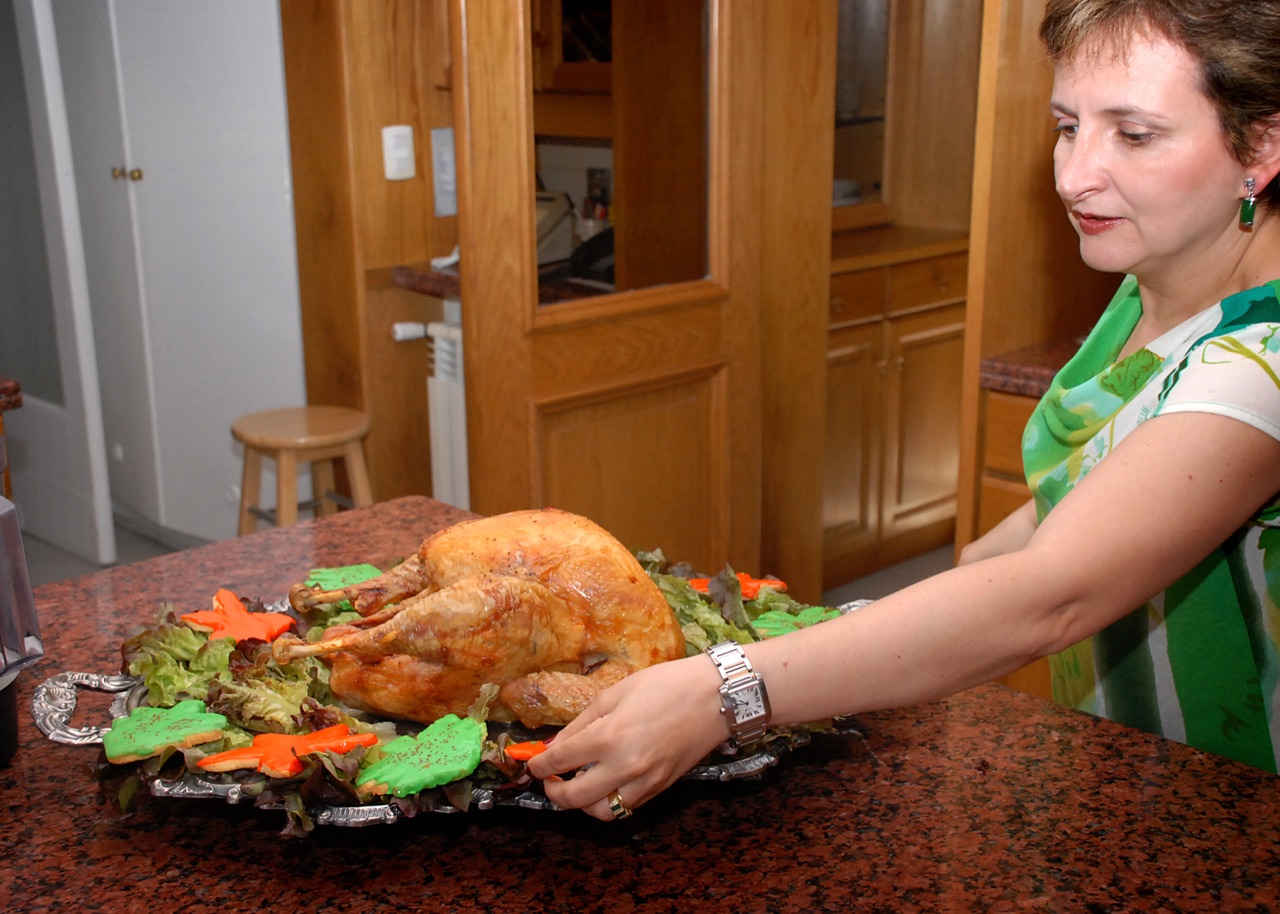
- ✓GLP-1 labels say these drugs delay gastric emptying, which is why a large holiday plate can feel heavier than it used to.
- ✓Manufacturer tips for nausea: smaller meals, stop when full, avoid fatty foods, try bland foods, eat slowly.
- ✓The Wegovy label tells patients to take precautions to avoid fluid depletion; keep water within reach all day.
- ✓Alcohol can lower blood sugar for hours, per NIH MedlinePlus; that matters most if you also take insulin or a sulfonylurea.
- ✓Pens follow the storage limits in your own Instructions for Use. A crowded holiday fridge and a long car trip are where mistakes happen.
- ✓Leftovers: refrigerate within 2 hours and use within 3 to 4 days, per USDA. Smaller portions mean more of them.
Why a Holiday Plate Feels Different Now
The prescribing information for semaglutide (Wegovy and Ozempic) states plainly that the drug delays gastric emptying, and the tirzepatide products (Mounjaro and Zepbound) carry similar language. Food stays in the stomach longer. Combined with reduced appetite, that’s a big part of why people on these medications often report feeling full quickly, and why the gastrointestinal side effects listed in the labels — nausea, vomiting, diarrhea, constipation, stomach pain, bloating, belching and heartburn — are the ones most people notice.
A traditional holiday meal stacks the deck. It’s large, it often comes after hours of grazing on appetizers, it leans heavily on butter, cream, gravy and cheese, and it’s eaten at a table where people keep refilling your plate. None of that is forbidden. But it is exactly the setup that the manufacturer side-effect tips are written around, so it helps to decide in advance how you’ll handle it rather than improvising at the table.
The Week Before: Three Things to Check
1. Where the holiday falls in your injection week
Many people on a weekly injection notice that stomach side effects cluster in the day or two after their shot, and that they’re more noticeable while the dose is being increased. If you’ve noticed a pattern like that, look at where Thanksgiving or your family dinner lands this year. The point isn’t to move your dose — don’t change your schedule without talking to your prescriber, and follow your Medication Guide’s instructions on timing and missed doses — but to know whether you’re walking into a day that tends to be rough for you. Our guide to planning around side-effect days covers how to track that pattern and build slack into your calendar.
2. Whether you’ll be away from your fridge
If you’re traveling to family, your injection day may fall while you’re away, or you may need to carry a pen in your bag. Each product has its own room-temperature limits, and they’re printed in the storage section of the Instructions for Use. As one example, the current Wegovy label says the single-dose pen can be kept between 46°F and 86°F in its original carton for up to 28 days, must not be frozen, and should be thrown away if it’s been frozen, exposed to temperatures above 86°F, or out of the refrigerator 28 days or longer. Other GLP-1 products have different limits. If you’re driving, our guide to traveling by car with GLP-1 medication covers coolers, parked-car temperatures and what to do on arrival.
3. Your refill timing
Pharmacies keep holiday hours, and specialty or mail-order shipments can slip during holiday weeks. If your refill is due near a holiday, request it a little earlier than usual and confirm the pickup or delivery date.
At the Table: What the Manufacturers Actually Suggest
The most useful guidance comes straight from the companies that make these drugs, written for patients who have nausea. Eli Lilly’s Zepbound FAQ and Mounjaro side-effects page suggest, if you experience nausea, talking to your doctor and in the meantime trying to:
- Eat smaller meals, for example splitting three daily meals into four or more smaller ones
- Stop eating when you feel full
- Avoid fatty foods like butter or cheese
- Try bland foods like toast, crackers or rice
Novo Nordisk’s Wegovy patient site suggests asking your healthcare professional about general tips such as eating more slowly, eating foods that contain water, and going outside for fresh air.
Translated to a holiday table, that looks like:
- Use a smaller plate, or take tasting portions. A spoonful of each dish you actually care about beats a full serving of everything.
- Pick your priorities. If the gravy, the cheese course and the pie are all rich, decide which one matters to you this year rather than having all three by default.
- Slow down deliberately. Put your fork down between bites, talk more, and leave a gap before going back for anything.
- Stop at “full,” not “done.” Fullness can arrive faster than it used to, and the cue is easier to miss in a long, social meal.
- Watch the appetizer hour. Cheese boards and fried snacks before dinner count. If you fill up early, the main meal is where you’ll feel it.
- Step outside after eating if you feel queasy, rather than heading straight for the couch.
These are general suggestions published by the manufacturers, not individualized dietary advice. If you have specific nutrition needs, such as diabetes meal planning or a history of disordered eating, a registered dietitian or your prescriber can help you plan a holiday meal that fits.
Traveling for the holidays with your pens?
Insulated travel cases, small coolers and portable sharps containers make a holiday trip much simpler. See the storage and travel gear we consider useful for GLP-1 households.
See GLP-1 gearHydration Is Part of the Plan
It’s easy to forget water on a holiday: you’re busy, you’re talking, and the drinks on offer are often coffee, cider, soda or alcohol. That matters more on a GLP-1. The Wegovy label’s patient counseling section tells prescribers to inform patients of the risk of acute kidney injury due to dehydration associated with gastrointestinal side effects, and to advise patients to take precautions to avoid fluid depletion. The Medication Guide puts it more simply: diarrhea, nausea and vomiting can cause a loss of fluids, it is important to drink fluids, and you should tell your healthcare provider right away about nausea, vomiting or diarrhea that does not go away.
Lilly’s Zepbound FAQ adds that if you experience diarrhea, it may help to drink plenty of fluids, aiming for at least 8 to 10 glasses of clear fluids daily with water generally preferred, to limit dairy, and to try bland foods like chicken broth, rice or carrots, while talking to your doctor. Practically: keep a filled water bottle with you during the day, not just at dinner, and if you’re hosting, make water easy for everyone to grab.
Alcohol at Holiday Parties
The FDA labels for GLP-1 medications don’t give a drinking limit, so this is a conversation to have with your prescriber. Two things from authoritative sources are worth knowing before you go. First, the Wegovy Medication Guide warns of an increased risk of low blood sugar, especially in people who also take diabetes medicines such as insulin or sulfonylureas. Second, the National Library of Medicine’s MedlinePlus explains that alcohol can cause low blood sugar in people with diabetes because the liver stops releasing glucose while it processes alcohol, that drinking without food greatly increases that risk, and that the risk lasts for hours after your last drink. MedlinePlus also notes that low blood sugar can look like intoxication to the people around you.
If you have diabetes and your prescriber says a drink is fine for you, MedlinePlus advises not drinking on an empty stomach, never using alcohol in place of a meal, carrying a source of sugar such as glucose tablets, being with someone who knows you have diabetes, and checking your blood glucose before, during and for hours after drinking. If you don’t have diabetes, it’s still a reasonable question to raise, because a smaller appetite can mean less food alongside the drinks than you’re used to.
Handling Comments From Family
Holiday tables come with commentary: “You’ve barely eaten,” “Just have a little more,” “Is that one of those shots?” You don’t owe anyone your medical history. A few phrases that tend to end the conversation without inviting a debate:
- “I’m pacing myself. I’ll have more later.”
- “It was great. I’m full.”
- “Could I take a plate home? I’d love this tomorrow.”
- “I’m following my doctor’s plan, thanks.”
Asking for a take-home container is the most useful of these. It compliments the cook, it gets the food off your plate, and it turns the meal into two or three smaller ones, which is close to what the manufacturer tips describe anyway.
If You’re Hosting
Hosting adds a storage problem. The fridge gets packed with a turkey, side dishes and drinks, and someone shoves things to the back where it’s coldest. GLP-1 pens must not be frozen, so keep yours in their carton in a spot that won’t get buried, or in a labeled box on a middle shelf, and tell anyone helping in the kitchen not to move it. Visiting children and pets are a second issue: a pen in a purse on the guest bed or a used needle in the bathroom trash is a real risk. Our guide to keeping GLP-1 pens safe with kids, pets and visitors covers storage spots and what to do if a child gets into a pen.
Hosting also means cooking more food than you can eat. Plan the menu with a few lighter dishes you’ll actually want, and make it easy for guests to take extras home.
Leftovers: Smaller Portions, More Food in the Fridge
If you’re eating smaller portions, you’ll have more leftovers than you used to, and they’ll need to last longer. USDA food safety guidance says to refrigerate leftovers within 2 hours of cooking, use refrigerated leftovers within 3 to 4 days or freeze them, and reheat to 165°F. Packing leftovers into single small portions right away, and freezing what you won’t eat in the next few days, works well with the smaller-meals pattern and keeps you from eating the same dish for a week just to beat the clock.
Don’t Blame Everything on the Big Meal
After a heavy meal, it’s tempting to explain away any stomach trouble. The labels list several symptoms that need a call instead of another antacid:
- Severe stomach pain that won’t go away, with or without nausea or vomiting, sometimes felt from the abdomen through to the back. The Medication Guide says to stop using the medicine and call your healthcare provider right away, because this can be a sign of pancreatitis.
- Upper stomach pain, fever, yellowing of the skin or eyes, or clay-colored stools, which can be signs of gallbladder problems, including gallstones.
- Nausea, vomiting or diarrhea that doesn’t go away, because of the dehydration and kidney risk.
- Signs of a serious allergic reaction, such as swelling of the face, lips, tongue or throat, trouble breathing or swallowing, or a very rapid heartbeat: get medical help right away.
On a holiday, your regular office may be closed. Before the day, find out how to reach your prescriber’s after-hours line or your plan’s nurse line, and where the nearest urgent care or emergency department is if you’re traveling.
End-of-Year Procedures
December is also when many people schedule procedures to use up an insurance deductible they’ve already met. If that includes anything with general anesthesia or deep sedation, such as a colonoscopy or endoscopy, the GLP-1 labels say to tell all of your healthcare providers that you’re taking the medication beforehand, because delayed stomach emptying has been linked to rare reports of food or liquid getting into the lungs during these procedures. Our guide to GLP-1 medications and surgery explains what current anesthesia guidance says and how to coordinate your care teams.
A Holiday Checklist
- Note where the holiday falls in your injection week; raise any concerns with your prescriber in advance.
- Confirm your refill date against pharmacy holiday hours and shipping delays.
- If traveling, pack pens per your product’s storage instructions, plus a sharps container.
- Decide your “priority dishes” before you sit down.
- Carry water through the day, not just at dinner.
- Ask your prescriber about alcohol, especially if you take insulin or a sulfonylurea.
- Bring or request take-home containers; refrigerate leftovers within 2 hours.
- Save your prescriber’s after-hours number in your phone.
Sources
- FDA: Wegovy (semaglutide) Prescribing Information, Medication Guide and Instructions for Use (2025)
- Novo Nordisk: Keeping an Eye on Common Side Effects (Wegovy patient site)
- Eli Lilly: Zepbound FAQs (nausea and diarrhea tips)
- Eli Lilly: Mounjaro Possible Side Effects (helpful tips)
- NIH National Library of Medicine, MedlinePlus: Diabetes and alcohol (reviewed April 2025)
- USDA Food Safety and Inspection Service: Leftovers and Food Safety
This guide covers logistics and summarizes labeling and public health guidance as of October 2026. It is not medical, dietary or dosing advice. Check your own product’s Medication Guide and talk with your prescriber, pharmacist or a registered dietitian about your situation.
Frequently Asked Questions
Can I eat Thanksgiving dinner while taking Ozempic, Wegovy, Mounjaro or Zepbound?
Nothing in the FDA labeling for these medications rules out a holiday meal. The practical issue is that GLP-1 medications slow stomach emptying and commonly cause nausea and other stomach side effects, so a large, rich meal can feel very different than it used to. Manufacturer patient materials suggest eating smaller amounts, stopping when you feel full, eating slowly and avoiding fatty foods if you have nausea. Ask your prescriber about anything specific to your situation.
Should I skip or move my GLP-1 dose so I can eat more on the holiday?
Don’t change your injection schedule on your own. Your Medication Guide explains what to do about timing and missed doses for your specific product, and your prescriber can tell you whether any change makes sense. If you are worried about how a holiday will line up with injection day, raise it at your next visit or call well before the date.
Is it safe to drink alcohol at holiday parties on a GLP-1?
Ask your prescriber. The labels warn that GLP-1 medications raise the risk of low blood sugar when combined with insulin or sulfonylureas, and the NIH’s MedlinePlus explains that alcohol can cause low blood sugar in people with diabetes, especially when drinking without food, with risk lasting hours afterward. If you have diabetes, that combination is worth discussing before the party, along with how to check your blood sugar.
Can I leave my GLP-1 pen out of the fridge while I’m at a relative’s house?
Only within your product’s labeled limits. For example, the Wegovy single-dose pen label allows storage at 46°F to 86°F in the original carton for up to 28 days, never frozen, and says to throw the pen away if it exceeds those conditions. Other products have different limits, so check the storage section of your own Medication Guide or Instructions for Use.
I felt sick after a big holiday meal. When should I call my doctor?
Call your healthcare provider if nausea, vomiting or diarrhea won’t go away, because the labels warn that fluid loss can lead to kidney problems. Stop the medication and call right away for severe stomach pain that won’t go away, with or without vomiting, which can be a sign of pancreatitis. Upper stomach pain with fever, yellowing of the skin or eyes, or clay-colored stools can signal gallbladder problems. Get emergency help for signs of a serious allergic reaction.
Get practical GLP-1 tips before each holiday
Travel, storage, coverage and day-to-day logistics, by email. And see the cases, coolers and sharps gear we consider useful.