GLP-1 Pen Dropped, Damaged, or Not Working? What to Do, Who to Call, and How to Ask for a Replacement
A pen that slips off the counter, a cracked window, a cap that won’t come off, or a click that didn’t sound right: every GLP-1 user eventually has a moment where the pen in their hand doesn’t look or behave the way the leaflet says it should. This guide covers what to do with the pen, who to call, what to keep, how to report the problem, and what to ask your pharmacy. It does not tell you how to inject or what to do about a dose. Those questions belong to your Instructions for Use and your prescriber.
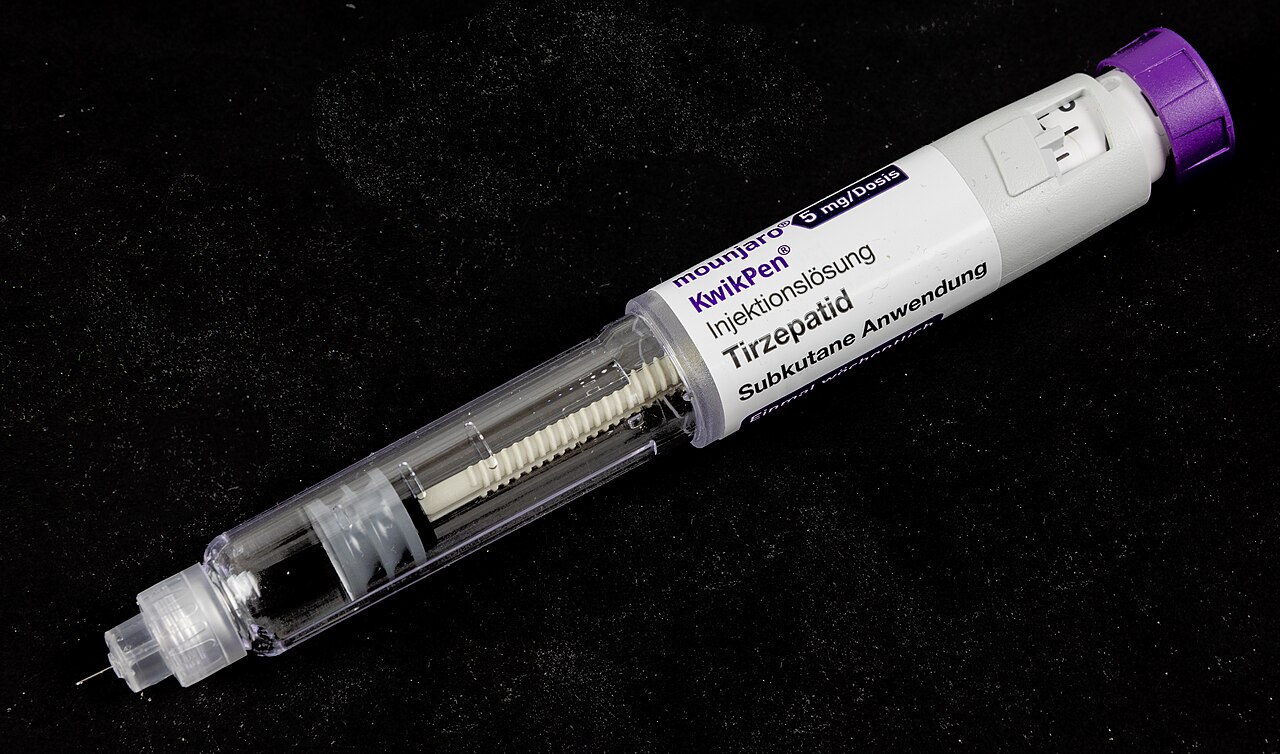
- ✓The instructions differ by pen. Wegovy’s single-dose pen leaflet says not to use a pen that appears broken, for example if dropped; Ozempic’s multi-dose pen leaflet describes a check before injecting after a drop; Zepbound and Mounjaro leaflets say to inspect the pen for damage.
- ✓Ozempic and Wegovy leaflets both say not to try to repair or fix a damaged pen.
- ✓Novo Nordisk’s Ozempic pen FAQ asks you to keep the product and packaging until you speak to Customer Care, and says it may not be able to replace a product that was thrown away.
- ✓Lilly’s Product Support page sends shipping problems (temperature, damaged containers, lost shipments) to your dispensing pharmacy, or to Gifthealth for some self-pay fills.
- ✓FDA MedWatch accepts voluntary reports of product quality problems from patients, not only side effects.
- ✓A replacement is not guaranteed by any manufacturer page we checked. Ask your pharmacy whether your plan will cover an early fill.
First, Decide Which Problem You Actually Have
“My pen is broken” covers several different situations, and the right next call depends on which one you’re in. Sorting it out first saves you from repeating the story to three different phone lines.
- Physical damage before use. The pen was dropped, the body or window is cracked, the cap is missing, or something rattles that shouldn’t. This is a product question for the manufacturer and a supply question for your pharmacy.
- The medicine looks wrong. Both the Zepbound and Mounjaro single-dose pen instructions list what to look for: the medicine should not be frozen, should be colorless to slightly yellow, and should not be cloudy or have particles. Wegovy’s pen instructions say not to use it if the medicine isn’t clear and colorless through the window. A pen that fails those checks is a product-quality problem.
- Storage went wrong. The pen froze in the back of the fridge, cooked in a car, or arrived warm from a mail-order shipment. That’s a storage or shipping problem rather than a defect. Lilly’s Product Support page specifically routes shipping-related issues (temperature problems, damaged containers, missed or lost shipments) to your dispensing pharmacy.
- You’re not sure the pen worked. The instructions for single-dose Lilly pens describe what you should see after an injection and tell you to contact Lilly at 1-800-545-5979 if you don’t see it. Treat this as a call to the manufacturer and your prescriber, not a reason to inject again on your own.
- You suspect the pen isn’t genuine. Odd packaging, a misspelled label, or a pen bought outside a licensed pharmacy is a counterfeit question. Use our counterfeit GLP-1 pen check instead of this page.
What the Official Instructions Say About Damaged Pens
We read the U.S. Instructions for Use for four common injectable GLP-1 pens on November 9, 2026. They are worded differently, and the differences matter. Don’t borrow another brand’s rule.
| Pen | What the U.S. Instructions for Use say | Number printed for questions |
|---|---|---|
| Ozempic (multi-dose pen) | Don’t drop the pen or knock it against hard surfaces; if you drop it or suspect a problem, do the check the leaflet describes before you inject. Don’t try to repair the pen or pull it apart. Carry an extra pen and new needles in case of loss or damage. | 1-888-693-6742 (1-888-OZEMPIC) |
| Wegovy (single-dose pen) | Don’t use the pen if it appears to have been used or any part appears broken, for example if it has been dropped, or if the medicine isn’t clear and colorless. If you think it may be damaged, don’t try to fix it; use a new one. | 1-833-934-6891 (1-833-WEGOVY-1) |
| Zepbound (single-dose pen) | Inspect the pen to make sure it isn’t damaged; check the medicine isn’t frozen, cloudy, or full of particles. If the pen has been frozen, throw it away and use a new pen. | 1-800-545-5979 (1-800-Lilly-Rx) |
| Mounjaro (single-dose pen) | Same inspection steps as Zepbound: not damaged, not frozen, not cloudy, no particles. A frozen pen is thrown away. | 1-800-545-5979 (1-800-Lilly-Rx) |
Summarized from the manufacturers’ U.S. Instructions for Use (linked in Sources). Pen formats change. Some products are sold in more than one format, so the leaflet in your carton beats this table.
Step by Step: What to Do in the First Hour
- Stop and set the pen down safely. If a needle is attached or exposed, keep it where no one can be stuck. Lilly’s instructions say to store a pen safely to avoid an accidental needle stick while you wait for further instructions.
- Don’t try to fix it. Both Novo Nordisk leaflets say not to repair or fix a damaged pen. Don’t pull it apart, tape it, or force a stuck part.
- Photograph everything. Take clear photos of the pen, the damage, the window, the label with lot number and expiration date, the carton, and the pharmacy label. If it came by mail, photograph the shipping box and cold packs too.
- Keep the pen and the packaging. Novo Nordisk’s Ozempic pen FAQ asks you to keep the product and all packaging until you talk to Customer Care, because keeping it helps them review the issue, and says it may not be able to provide a replacement if the product was thrown away. Put the pen back in its carton.
- Call the manufacturer. Use the number in your own Instructions for Use (see the table). Have the lot number, expiration date, pharmacy name, and the date you got the pen ready.
- Call your prescriber or pharmacist about the dose. Don’t guess. Each Medication Guide has its own missed-dose instructions, and they aren’t the same across products.
- Call your pharmacy about supply. Ask what they can do about a replacement fill. See the pharmacy section below for the exact questions.
Protect the next pen
A padded carrying case and a fridge thermometer won’t fix a defect, but they do cut down on drops, knocks, and frozen pens. The Ozempic leaflet already tells you not to knock the pen against hard surfaces. Our gear page lists the cases and storage tools we think are worth having.
See GLP-1 gearWhat to Have Ready When You Call the Manufacturer
Lilly’s online Product Support tool tells you up front what it will ask for: information from the product or medication package, information about the issue, and patient contact details that match what’s on file at the pharmacy. That’s a good checklist for any manufacturer call:
- Product name and strength exactly as printed on the pen and carton
- Lot number and expiration date (on the pen label and the carton)
- Serial number if your carton has one
- Pharmacy name, phone, and the date filled, from the pharmacy label
- Your name, address, and phone as your pharmacy has them
- A short, factual description: what happened, when, and what you saw
- Whether the pen was ever frozen, left in heat, or shipped warm
- Whether you had any side effect you think is related. If so, say so; that’s a separate safety report
Lilly says a representative may contact you within 3–5 business days if it needs more information about a product quality concern, and asks you not to call to follow up on an online submission. If a new problem comes up, it asks you to submit a new report. Novo Nordisk’s Ozempic pen FAQ lists live support at 1-866-696-4090, Monday through Friday, 8:30 a.m. to 6:00 p.m. ET, in addition to the number printed in the Instructions for Use. Write down the date, the name of whoever you spoke with, and any case or reference number they give you.
Getting a Replacement: What to Ask Your Pharmacy
None of the manufacturer pages we checked promises a free replacement. They describe reviewing the issue and deciding next steps. So the practical path to a working pen on schedule usually runs through your pharmacy, while the manufacturer case runs in parallel. Questions worth asking at the counter or on the phone:
- Can you see whether my plan will pay for a replacement fill before my usual refill date, and if not, what override process exists?
- Do you need anything from my prescriber to process an early fill?
- Do you have my strength in stock today, or should I ask you to transfer it to another location?
- If this came from your mail-order or specialty pharmacy, how do I report a damaged or warm delivery?
- Can you note the damaged pen and the manufacturer case number on my profile?
If the pen was shipped, Lilly’s Product Support page says to contact your dispensing pharmacy about shipping problems, and points people who bought self-pay product through Gifthealth to that service’s own process. If your supply problem is really a pharmacy stock-out rather than a broken pen, ask the pharmacist about transferring the prescription to a location that has your strength.
Reporting the Problem to FDA MedWatch
MedWatch is FDA’s program for reporting serious reactions, product quality problems, therapeutic failure, and product use errors with medical products, including drugs and devices. Reporting is voluntary for patients, and FDA says it relies on those reports for safety surveillance. A report can contribute to changes in how a product is used or designed.
You have three ways to file:
- The online MedWatch reporting form, open to patients and consumers
- Form FDA 3500B, the consumer-friendly version, which you can print and mail
- By phone at 1-888-INFO-FDA (1-888-463-6332). Press 2 to report into MedWatch or get instructions
If you also had a reaction you think is connected, FDA encourages you to take the form to your clinician, who can add details from your medical record. You can still fill it out yourself if you prefer. A manufacturer report and an FDA report are separate; filing one doesn’t file the other.
Disposing of the Pen When You’re Told To
Once the manufacturer has what it needs, or tells you it doesn’t need the pen back, dispose of it the way the leaflet says. Lilly’s single-dose pens and Wegovy’s single-dose pens go into a sharps container. Multi-dose pens have separate pen needles that go into the container after use. Our sharps disposal guide covers containers and local drop-off rules. If the pen still has medicine in it, ask your pharmacist how they want it handled.
Preventing the Next One
- Keep the cap on. Wegovy’s leaflet says a pen stored without its cap, or with the cap pulled off and put back, is no longer sterile.
- Keep it dry and in one piece. Ozempic’s leaflet says not to expose the pen to dust, dirt, or liquid, and not to wash, soak, or lubricate it.
- Watch the fridge. Pens pushed against the back wall or under a freezer vent can freeze, and a frozen Lilly pen is discarded under its instructions. See the storage guide.
- Travel with a spare plan. The Ozempic leaflet tells you to carry an extra pen and new needles in case of loss or damage. On the road, our lost or stolen pen guide covers getting a fill away from home.
- Inject with good light and a clear surface. Most drops happen while juggling the pen, a wipe, and a phone. Set everything down first.
See Your Clinician or Pharmacist
This guide is about handling a damaged product and the paperwork around it. It isn’t medical advice. Questions about a missed or partial dose, whether to restart, or a symptom after an injection go to your prescriber or pharmacist. If you have signs of a serious allergic reaction, get emergency care right away.
Build a backup kit before you need it
A travel case with room for a spare pen, a small sharps container, and a fridge thermometer are the three pieces of gear most likely to save a week of medicine. Compare options on our gear page.
See GLP-1 gearFrequently Asked Questions
I dropped my GLP-1 pen. Can I still use it?
Follow the Instructions for Use for your specific pen, because they don’t all say the same thing. The Wegovy single-dose pen instructions say not to use the pen if any part appears broken, for example if it has been dropped. The Ozempic multi-dose pen instructions describe a check to do before injecting if you drop the pen or suspect a problem. The Zepbound and Mounjaro single-dose pen instructions tell you to inspect the pen to make sure it is not damaged. If you are unsure, don’t inject. Call the manufacturer number on your Instructions for Use or ask your pharmacist.
Who do I call if my Ozempic, Wegovy, Mounjaro, or Zepbound pen is broken?
The numbers printed in the U.S. Instructions for Use we checked are 1-888-693-6742 (1-888-OZEMPIC) for Ozempic, 1-833-934-6891 (1-833-WEGOVY-1) for Wegovy, and 1-800-545-5979 (1-800-Lilly-Rx) for Mounjaro and Zepbound. Ozempic.com’s pen FAQ also lists 1-866-696-4090 for pen issues. Lilly runs an online Product Support tool for quality, usability, appearance, or safety issues.
Should I throw away a pen that isn’t working?
Not right away, unless your Instructions for Use tell you to. Novo Nordisk’s Ozempic pen FAQ asks you to keep the product and all packaging until you speak with Customer Care, and says that if the product is thrown away it may not be able to provide a replacement. Store a pen with an exposed needle safely to avoid a needle stick, as Lilly’s instructions say, and use a sharps container when you do dispose of it.
Will I get a free replacement pen?
We can’t promise that. The manufacturer pages we checked describe reviewing the issue and determining next steps; none of them guarantees a replacement. Your pharmacy may be able to tell you whether your insurance will cover a replacement fill before your normal refill date. Ask both, and keep notes of who you spoke to and when.
Do I need to report a broken GLP-1 pen to the FDA?
Patients aren’t required to, but you can. FDA’s MedWatch program takes voluntary reports of product quality problems and product use errors as well as side effects, from patients and consumers as well as professionals. You can use the online form, the consumer Form FDA 3500B, or call 1-888-INFO-FDA (1-888-463-6332) and press 2.
What should I do about my missed weekly dose?
That is a medical question, so ask your prescriber or pharmacist. Each medication’s Medication Guide has its own missed-dose instructions, and they differ between products. This page only covers the logistics of the broken pen itself.
Sources
- Novo Nordisk: Ozempic Prescribing Information, Medication Guide and Instructions for Use (U.S.)
- Novo Nordisk: Ozempic Pen Frequently Asked Questions
- Novo Nordisk: Wegovy Prescribing Information and Instructions for Use (U.S.)
- Lilly: Zepbound single-dose pen Instructions for Use
- Lilly: Mounjaro single-dose pen Instructions for Use
- Lilly: Product Support
- Lilly Medical: Contact Us (adverse event and product complaint line)
- FDA: Reporting Serious Problems to FDA (MedWatch)
Instructions and phone numbers checked November 9, 2026.
Practical GLP-1 guides, delivered
No miracle claims. No spam. Just helpful information for people navigating GLP-1 therapy.